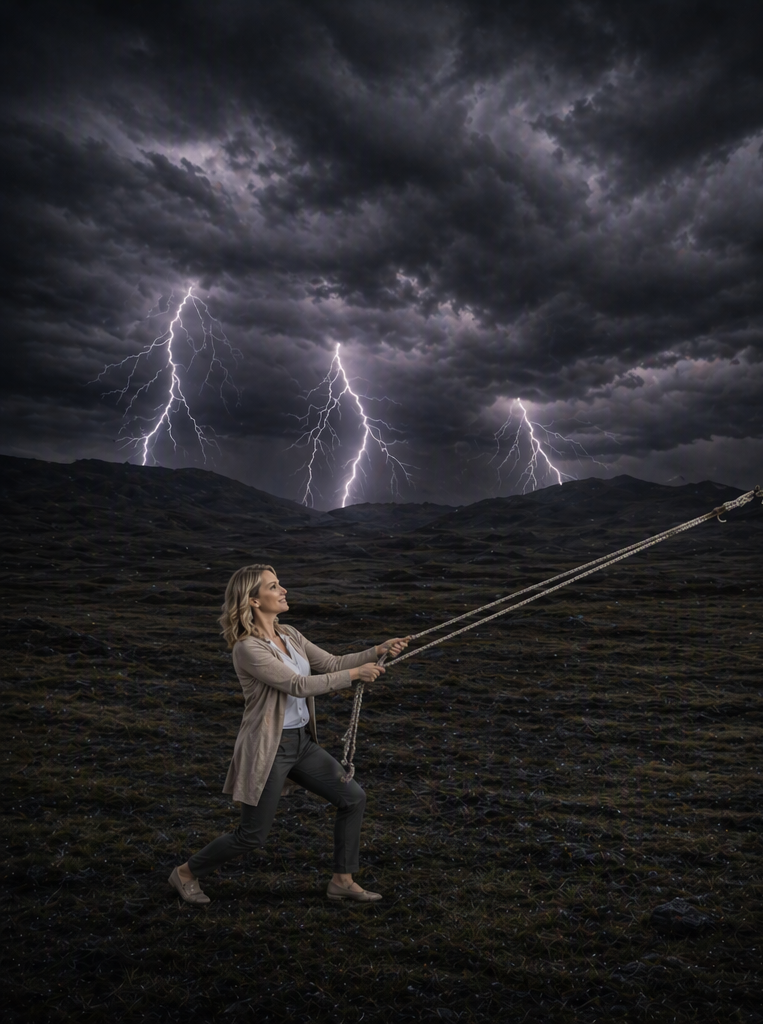
About · Alyssa Davis, LMFT
The person
behind the work.
Therapy is a relationship. You'll spend real time with this person, doing hard things. It makes sense to want to know who they actually are — not just their credentials and theoretical orientations, but who shows up in the room.
Growing up, I was always in the "different" category. I didn't quite fit into any particular group and quite often, most people thought I was just weird. This, combined with a lot of other things that I'll spare you the details of as that's for my therapist to deal with — made my childhood genuinely hard.
Most people are surprised to learn I barely made it through high school and didn't have a stable home as I transitioned into adulthood. I was just wandering in this world. Luckily, a friend pointed me toward a job at a pizza restaurant, which sounds small but wasn't — I got promoted to general manager and stabilized my life for the first time. I loved slapping out the pizza dough, but I also wasn't fulfilled — which is a particular kind of exhausting when you can't name what's missing.
So, I quit and enrolled in community college. It was here that my interest in helping kids came back — I say "came back" because a high school English teacher had once told me that "everyone wants to be a child psychologist", and I should find something different. Let's just say I'm glad I didn't listen because I knew from such a young age that I wanted to be a therapist. I wanted to be that person in someone's life, the person I had never had. After graduating with my AA, I transferred to UCLA and earned a B.A. in Psychology with honors (summa cum laude!).
After UCLA, I fell into doing Applied Behavioral Analysis with children on the autism spectrum — and I genuinely fell in love with it. All the ways I'd been "different" my whole life turned out to be an asset there. My weirdness helped me connect with my clients in ways that a more conventional approach couldn't. I worked with a creative, playful angle —and it worked.
But I kept noticing something: how much trauma existed within these families, and how far outside my scope it was. I wanted to do more. So I went back to school, and in 2019 graduated from California State University Northridge with an M.S. in Counseling, emphasis in Marriage and Family Therapy. That season was also one of the hardest of my life — alongside everything else, I was quietly recognizing that I was in an emotionally abusive relationship and going through a divorce, all while pursuing licensure. I share this because it matters: when clients come to me having lived through painful relationships or impossible seasons, I'm not working from a textbook. I've been there. I get it.
Coming out the other side of that — personally and professionally — is when everything clicked. All the knowledge, all the life challenges, all the weirdness — suddenly it was exactly what I needed. I started in community mental health, where caseloads are high, complexity is high, and the luxury of a narrow specialty doesn't exist. I worked with children, teens, adults, and families, often all within the same case. That breadth is still how I think.
Regardless of who I've worked with, trauma has always been the thread. The only hiccup was I kept running into the limits of talk therapy — clients who understood their patterns beautifully and still couldn't change how they responded when the moment arrived. That gap is where I live clinically. EMDR reaches places that understanding alone can't get to. I pursued certification because the work demanded it, not because it was a credential to have. Now I work entirely via telehealth with adults throughout California — and I'm still the weird one, in all the ways that matter.


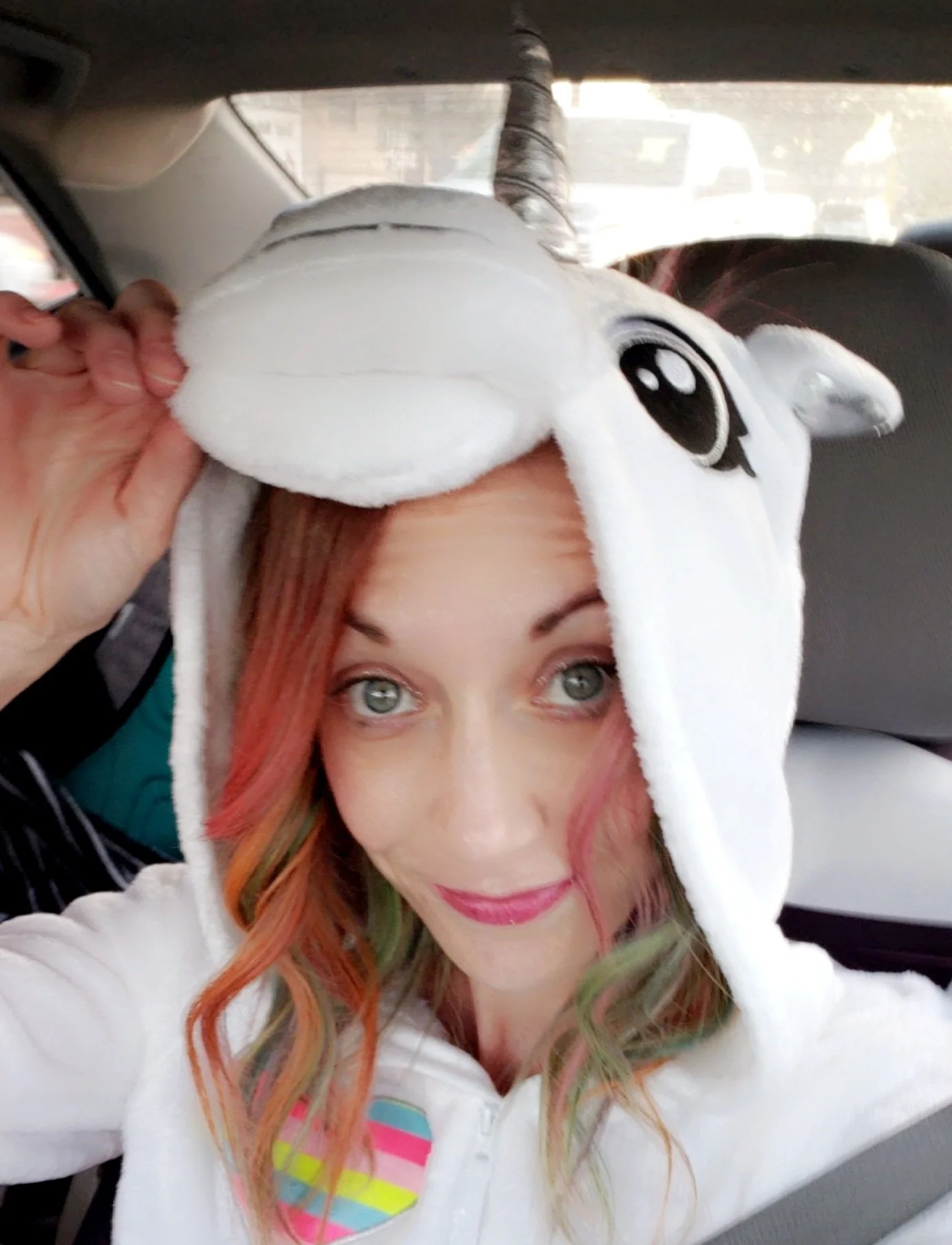


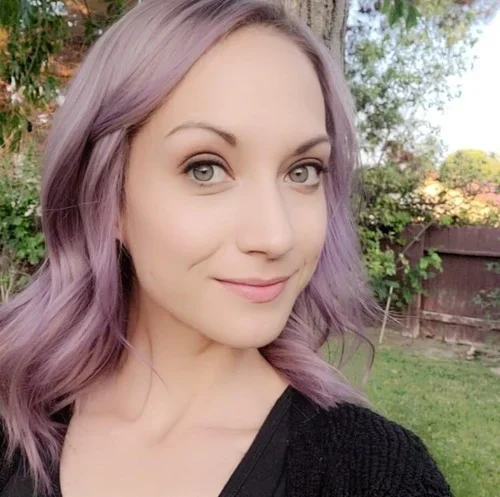
Visit my Instagram!

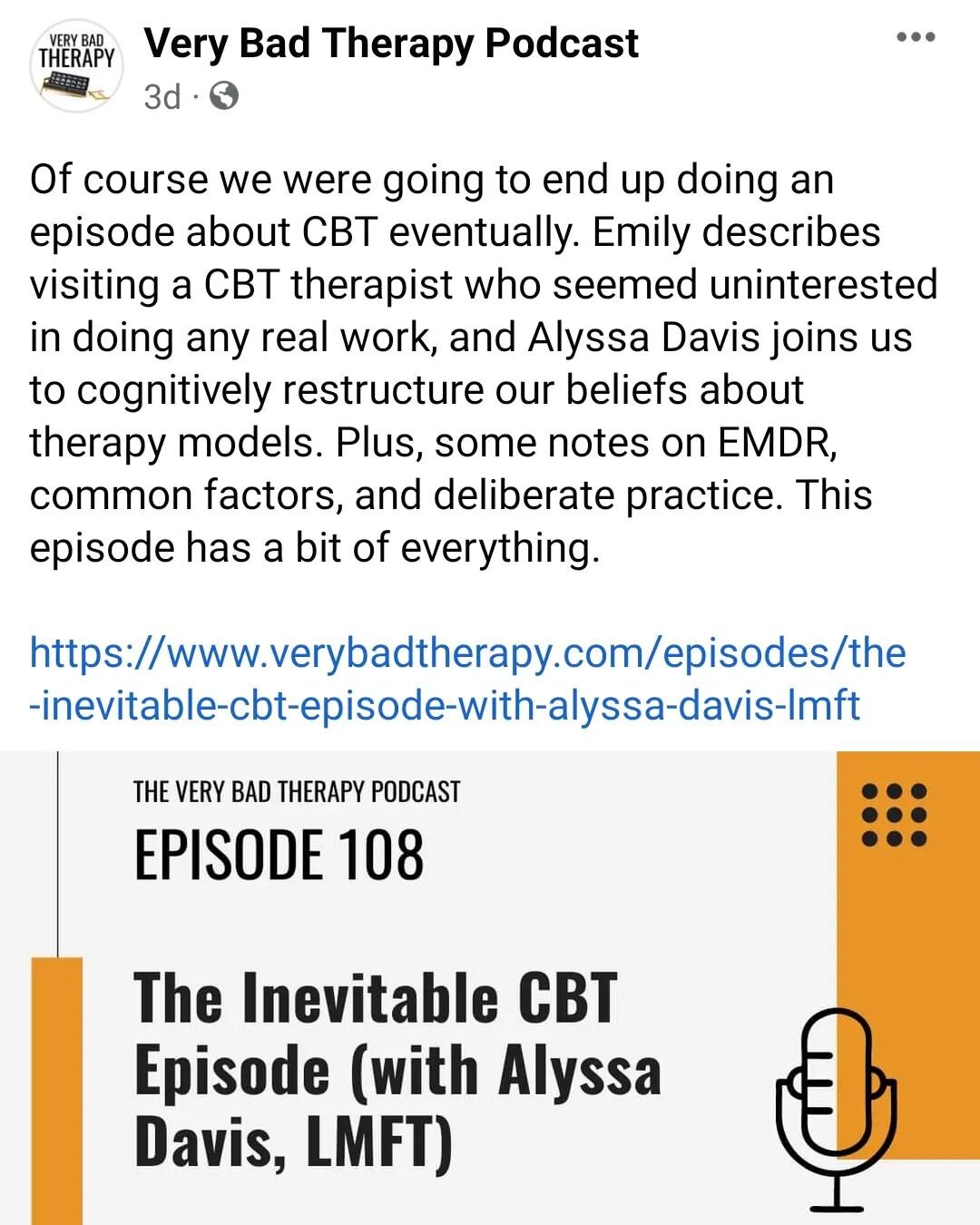




You’ll see what I am up to and get tips & tricks from me!
Feel free to send me your favorite therapy memes and you may see me post them!